
About This Programme
Programme Aim
Aim(s)
The aim of the programme is to produce graduates with quantitative and analytical skills to conduct economic analysis.
The aim of the programme is to produce graduates with quantitative and analytical skills to conduct economic analysis.
i. Deliver knowledge of the concepts, theories and quantitative techniques in economics, ii. Provide practical opportunities for students to apply appropriate analytical tools, iii. Enhance students’ quantitative and data handling skills to perform simulations and make informed decisions regarding economic choices, iv. Develop students’ skills and competencies to contribute to national and global economic discourse.
The Department of Economics started as a unit in the Department of Arts at the University College of Cape Coast in 1962 with the mandate to train professional graduates to teach Economics in secondary schools, polytechnics and technical schools in the country. As part of the restructuring of the University College, the Economics Unit was upgraded to a department in 1963 when the Department of Arts was elevated to the Faculty of Arts. The University College gained autonomy in 1971, and in 1975, the subsequent realignment of academic departments by the University of Cape Coast led to the creation of the Faculty of Economics and Social Studies [ now Faculty of Social Sciences], which constituted the Departments of Economics, Geography and Sociology. In the same year, the Department of Economics was changed to the Department of Economics and Business Studies and was later separated into the Departments of Economics and Business Studies in 1997. The Department of Economics remained a member of the Faculty of Social Sciences until August 2018, when it was elevated to the School of Economics with three Departments, namely, Department of Economic Studies, Department of Applied Economics, and Department of Data Science and Economic Policy. This programme is hosted by the Department of Economic Studies. Given the impacts of the multiple shocks of climate change, COVID-19, energy transition, Geopolitical tensions, etc., on both the domestic and global scene, the programme is reviewed to keep up with the trends and challenges confronting society.
Applicants must have passes in Core English, Core Mathematics, and Integrated Science or Social Studies (Grade D or better for SSSCE candidates, and Grade C6 or better for WASSCE candidates).
In addition, applicants must have a pass in Economics, plus any two (2) other subjects.
Minimum aggregate scores required for admission to this programme.
| Category | 2025/2026 | 2024/2025 |
|---|---|---|
| POST-WASSCE (2025) | 16 | — |
| AWAITING (2024) | 16 | — |
| Male | — | 25 |
| Female | — | 25 |
Cut-off points may vary by year based on applicant pool performance.
View the course schedule for each semester of this programme.
No course schedule available for this programme.
No requirements listed
Graduation requirements are not currently available for this programme.
No information listed
Employment prospects are not currently available for this programme.
Department
Leadership
10 members of teaching staff
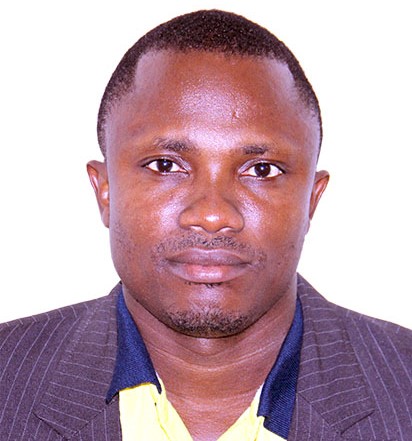
Dr. Benedict Afful Jnr.
Senior Lecturer
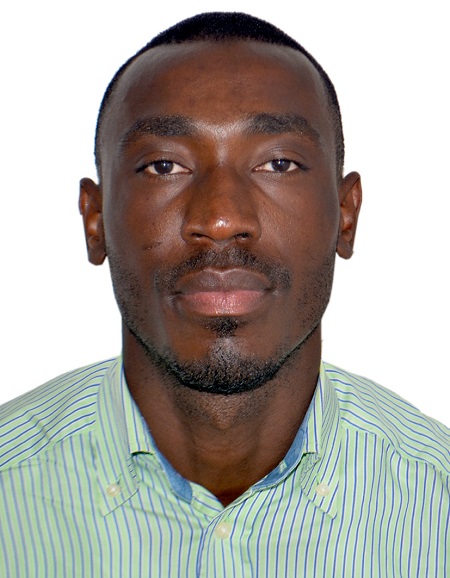
Dr. Eric Amoo Bondzie
Senior Lecturer

Prof. Isaac Dasmani
Associate Professor

Prof. Camara Kwasi Obeng
Professor

Prof. Isaac Bentum-Ennin
Associate Professor
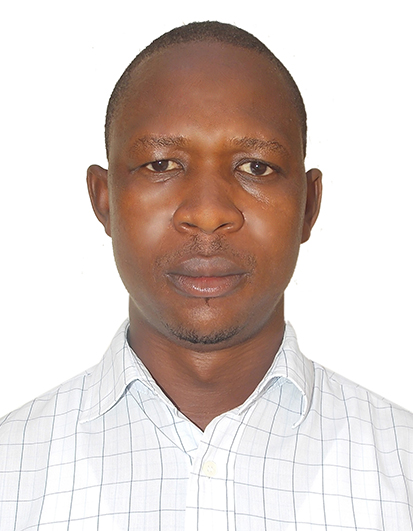
Dr. Francis Taale
Senior Lecturer
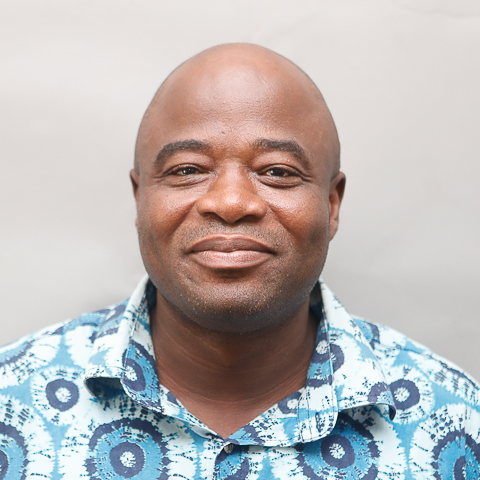
Prof. Godwin Vondolia
Associate Professor

Dr. Ewura-Adwoa Ewusie
Senior Lecturer

Dr. Eric Abokyi
Lecturer
Dr. Ekua Senuah Appiah
Lecturer
WASSCE/SSCE - Degree Entry
Level 100
